
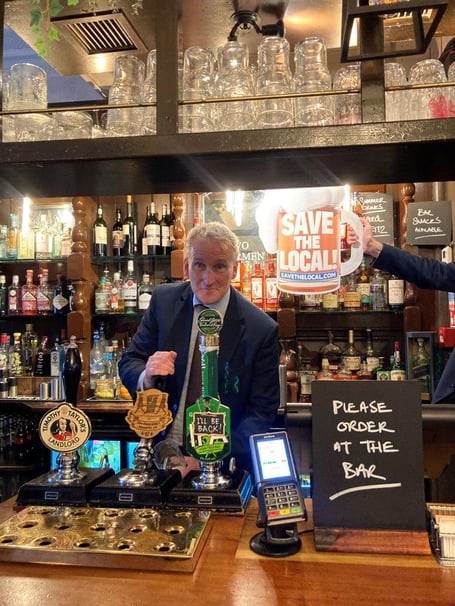
One of Andy Burnham’s first announcements was a 20 percent cut in business rates for pubs.
The proposal is welcome. Although many pubs would still be paying more than they were in 2023 and 2024, because it follows substantial increases in recent years, any reduction will be welcomed by a sector under significant pressure.
I used to work in the pub trade and know how significant the fixed cost impact of business rates is.
The sector has faced a lot of cost pressures including a big hit from employer National Insurance Contributions, rising energy bills and the growing effects of the Employment Rights Act.
As an MP, I am acutely conscious not only of how important pubs are for employment locally, especially of young people, but also the central role they play in our communities.
Pub closures are sadly nothing new (and Covid was especially harsh) but of late the pace has been growing again. More recently, we've also seen pubs reducing their opening hours or closing on quieter days simply to remain viable.
Against that backdrop, any genuine relief should be welcomed.
Like a number of recent announcements by the new prime minister, the headline has landed well before the detail, and with government having blocked an extension of the Commons’ sitting days, Parliament is unable to scrutinise.
A big question in this is how will it be paid for?
Mr Burnham does have something to say about that, but I wonder if it really adds up.


The £100 million cost it is said will come from two sources.
First is cracking down on online marketplace fraud. That's a good thing to go after. In fact a previous crackdown when my party were in government generated a much bigger sum.
The second source is more problematic. It is a mooted review of business rates for businesses deemed to cause social harm or lack ‘positive community contribution’, with vape shops cited as one example.
I suspect defining positive community contribution may prove more difficult than is supposed. What if a vape shop also sells milk? Certainly lots of grocery stores also sell vapes.
And, it’s been pointed out, what if the alternative is an empty shop unit?
There is also recent experience that should give ministers pause. The current Government previously argued that changes to business rates were aimed at online retailers' distribution warehouses.
In practice, the policy applied to a much broader category of properties. When I analysed the figures at the time, I found that 91 per cent of those facing higher bills were businesses unrelated to online retail.
I fear this plan may go the same way.
Comments
We've recently changed our login process. If you have an account for commenting, you will need to re-register on the login window.
This article has no comments yet. Be the first to leave a comment.